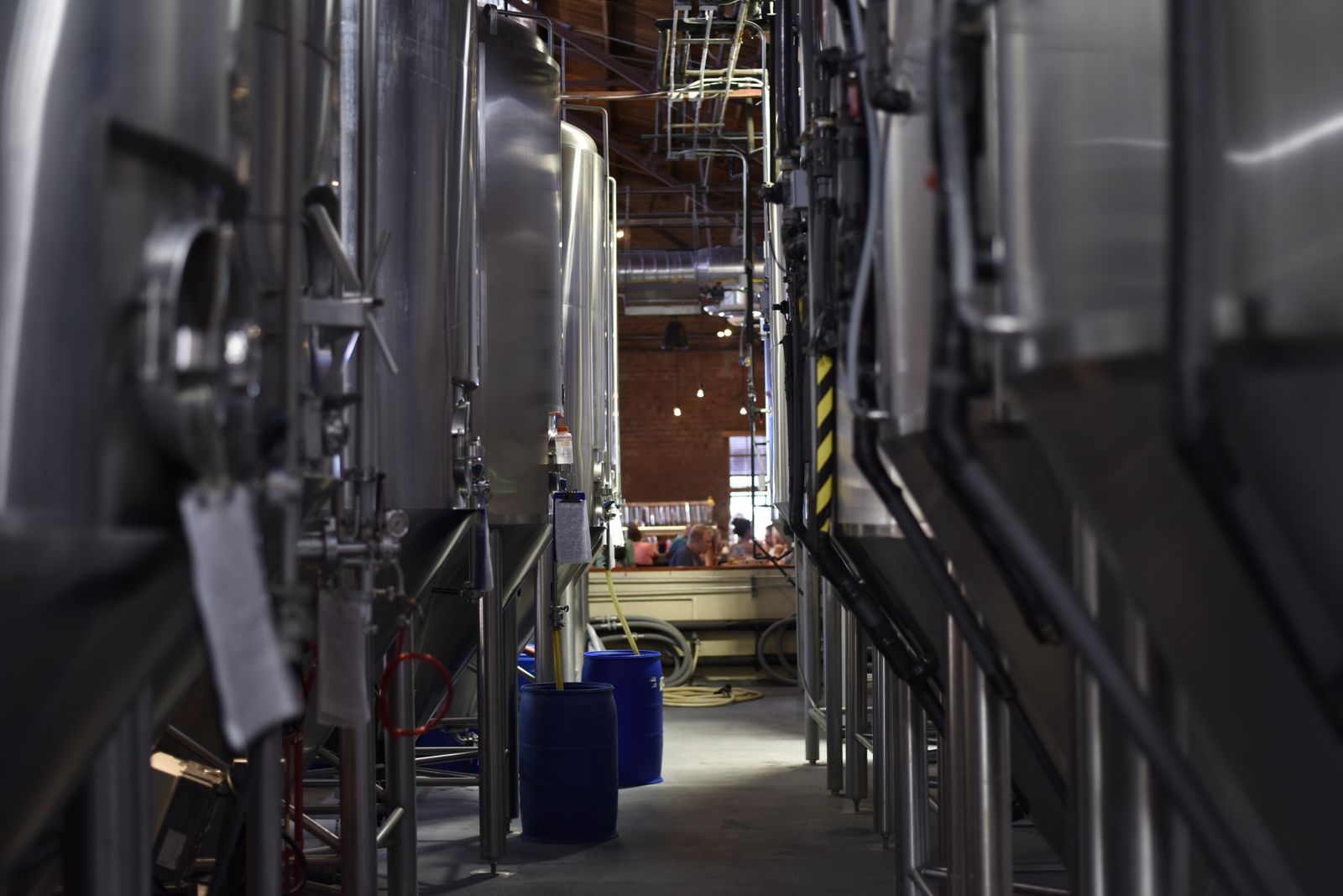
Three barrels is the size of a very serious homebrew rig and the smallest commercially legal brewhouse in most states. It is also, according to nearly everyone who owns one, a trap.
The math is unforgiving. A three-barrel batch yields about six kegs, or 186 cases of cans if everything goes right. Malt costs the same per pound whether you buy a pallet or a sack. Cans have a minimum order of 100,000. The label designer wants $1,200.
Where the money actually is
Draft, sold across your own bar, is the only line item with a margin that survives a bad month. Cans are marketing that happens to be drinkable. Distribution is a favor you do for your future self.
The breweries that make three barrels work treat the brewhouse as a test kitchen and the taproom as the business. They brew small, sell direct, and rotate fast. The ones that fail buy a canning line before they have a customer base.