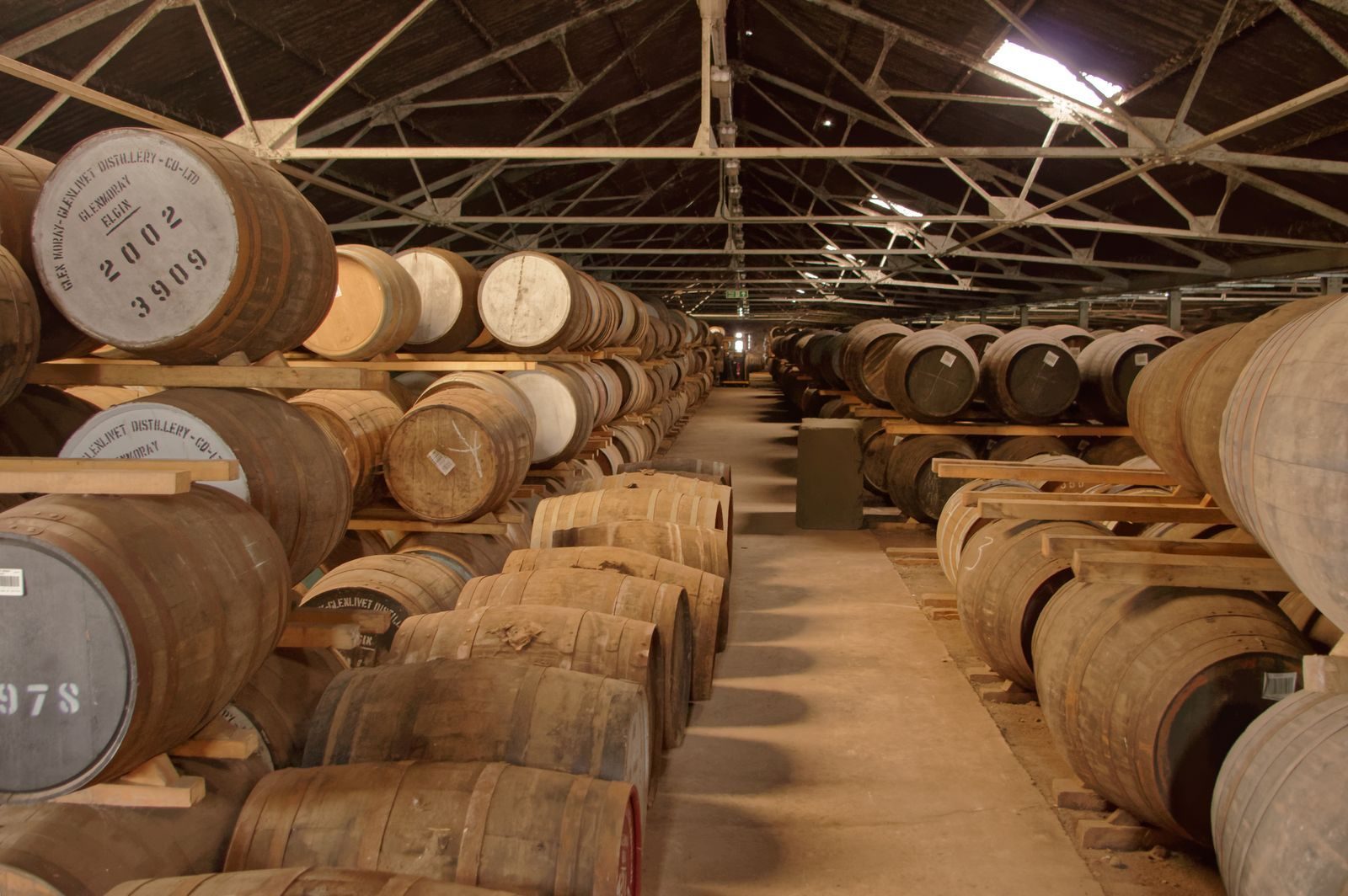
The label says cask strength, barrel proof, or bottled-in-bond. What it does not say is why.
Whiskey comes out of the barrel somewhere between 100 and 140 proof, depending on the rickhouse, the season, and how long it sat. Bottling it as-is is a choice. So is cutting it to 90. Neither is more honest than the other, despite what the shelf talkers imply.
Water as an ingredient
Adding water is not dilution in the pejorative sense. It is blending. A few drops can open a tight rye, soften a harsh edge, or reveal a floral note that was buried under alcohol. A few too many can flatten the whole thing.
The distillers doing it best taste at three or four strengths before they commit. The ones doing it worst pick a number that tests well in a focus group and call it a profile.
Barrel proof is worth the money when the barrel was worth the wait. Otherwise it is just a higher number on a label.